Exploring the impact of intervention videos on reducing gender bias in STEM fields.
Research Process.
Past
The impact of the intervention video at the time.
In response to the severe underrepresentation of women in science, engineering, and technology (SET) fields across Europe, Leeds Animation Workshop produced the intervention-based animated film Did I Say Hairdressing?I meant Astrophysics.
What kind of impact did the film have at the time of its release?
01
International Collaboration
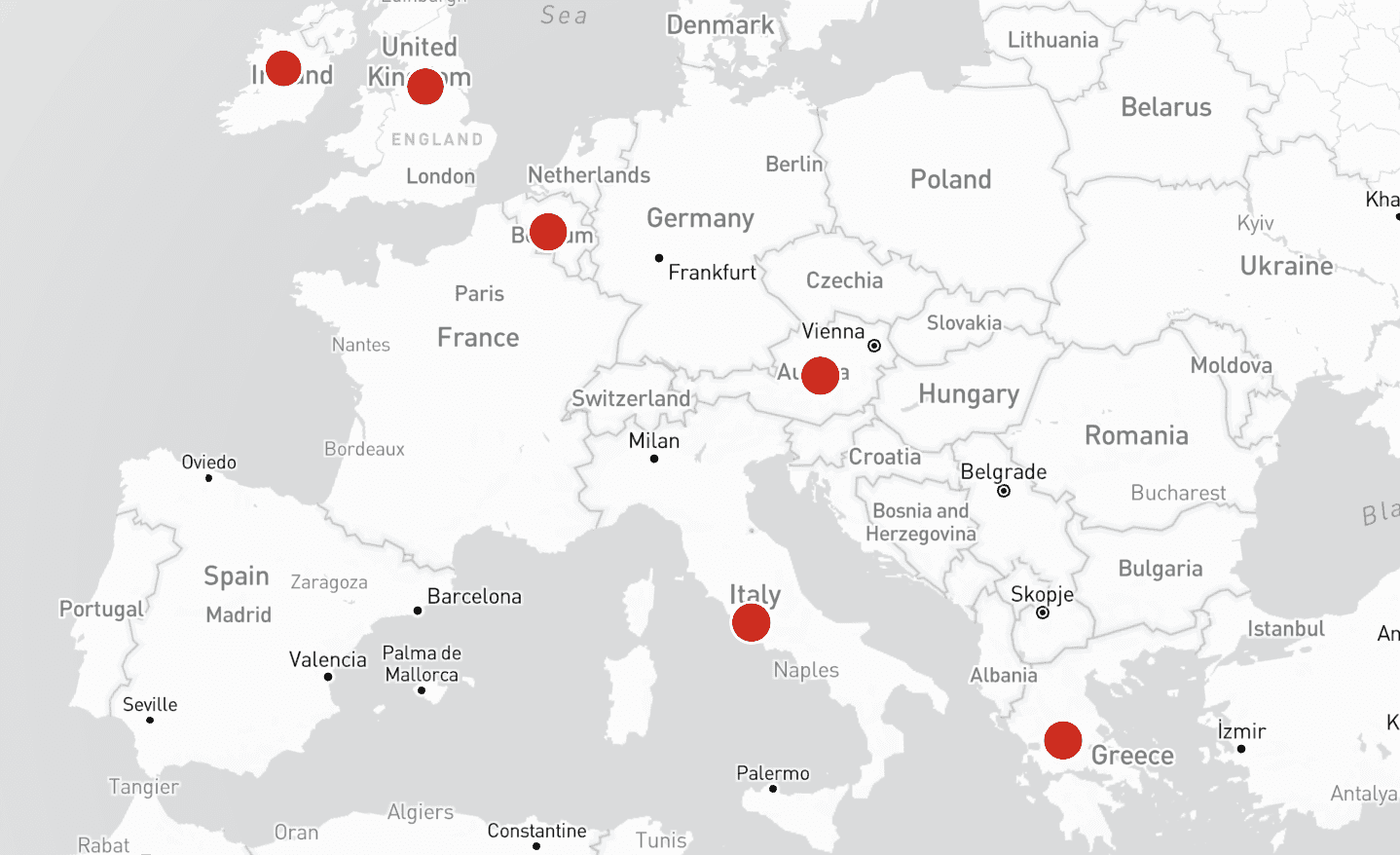
Partnered with organizations such as WITEC, the "Women Networking in Technology" program at Huddersfield University, and the Mediterranean Women Journalists Network; established connections with countries including Austria, Italy, Ireland, Belgium, and Greece (Figure3) .
It raised awareness of gender issues across diverse cultural contexts(Leeds Animation Workshop, 1997).
02
Offline Screenings and Engagement
Organized lectures, screenings, and interactive sessions at universities to raise students' awareness of gender equality in STEM education.
It directly reached educational settings and generated deep impact within specific target groups(Leeds Animation Workshop, 1997).
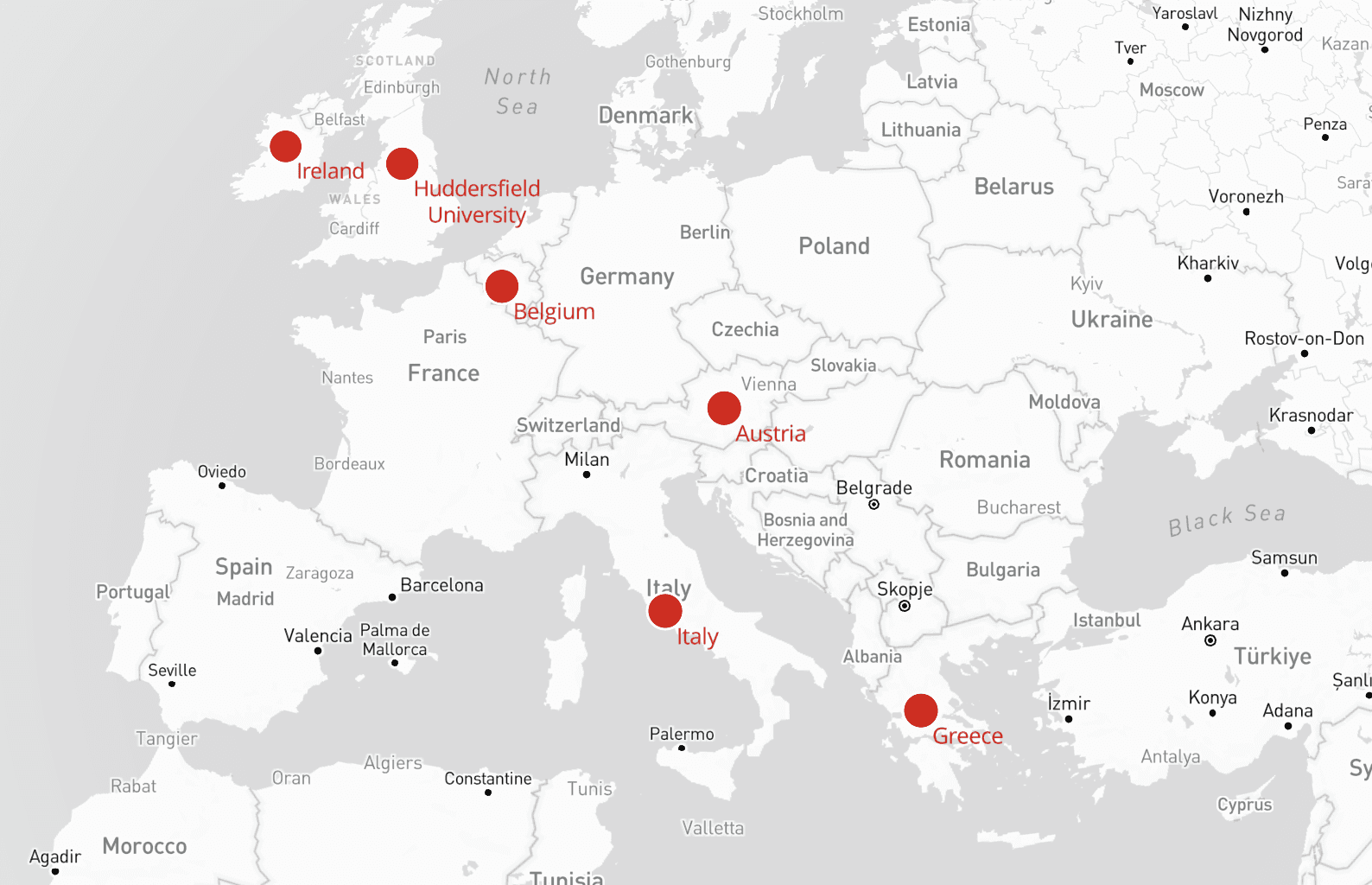
Figure3 Collaboration countries for "Did I Say Hairdressing? I Meant Astrophysics"
The screening of the film achieved a positive impact, demonstrating a strong cross-cultural influence. Despite the fact that most of the audience did not understand English and the film had no subtitles or simultaneous interpretation, viewers still showed a deep emotional resonance (Figure4).
As an intervention video, the animation exhibited a unique potential for cross-cultural communication, successfully overcoming language barriers through the power of visual storytelling.
However, at that time, the film was mainly shown offline through universities and professional organizations, meaning its influence remained relatively limited in terms of time and geographical reach.
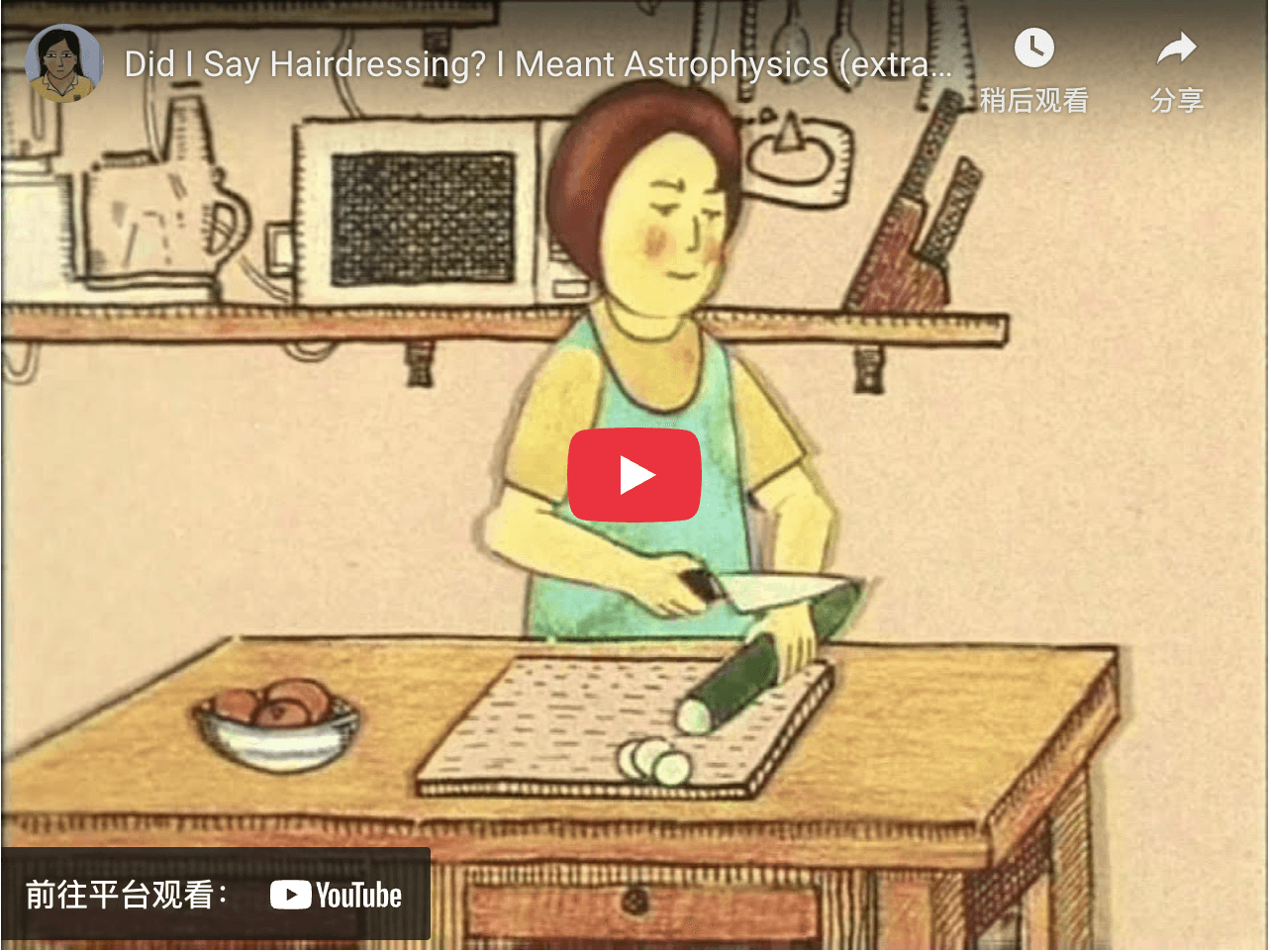
"The experience of presenting our work at the Mediterranean Women Journalists' Conference in Sicily in September was very instructive for us. The audience who saw our film there was largely non-English-speaking, and there were no subtitles or simultaneous translation. Nevertheless, the message of the film was successfully communicated, and the stories were instantly recognised by everyone."
-Leeds Animation Worksho,1997
Figure4 Project file for "Did I Say Hairdressing? I Meant Astrophysics" film
In today’s context, can intervention videos effectively reduce gender bias in STEM fields?
Present
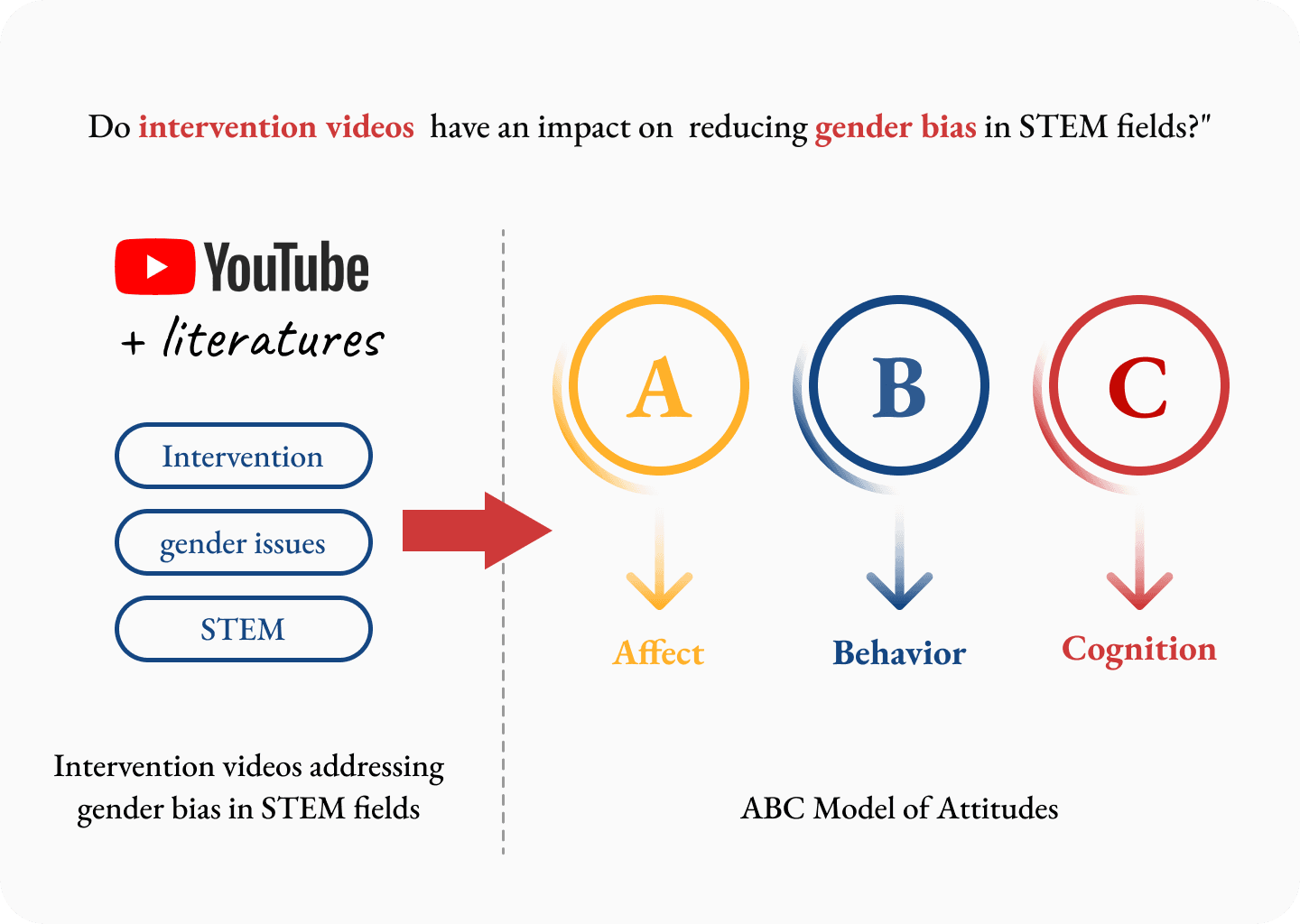
Research Framework
To explore the impact of intervention videos on reducing gender bias in STEM fields, this study adopts a two-part approach.
First, sentiment analysis of YouTube comments is conducted to examine the emotional and attitudinal responses toward intervention videos. As one of the world’s most visited websites, YouTube.com is a major social media platform where users upload, watch, comment on, and promote online videos that "connect, inform, and inspire" (Amarasekara and Grant, 2019). Therefore, it provides a rich source of user-generated content for assessing immediate audience reactions. We selected the top 20 intervention videos ranked by popularity under the keyword search "Women in STEM" as the dataset for comment analysis.
Second, to investigate potential changes in cognition and behavior, this study draws upon existing literature that evaluates the broader educational and social impacts of intervention media.
Research Process
01 Youtube Data Analysis
—— Effects on emotions and attitudes.
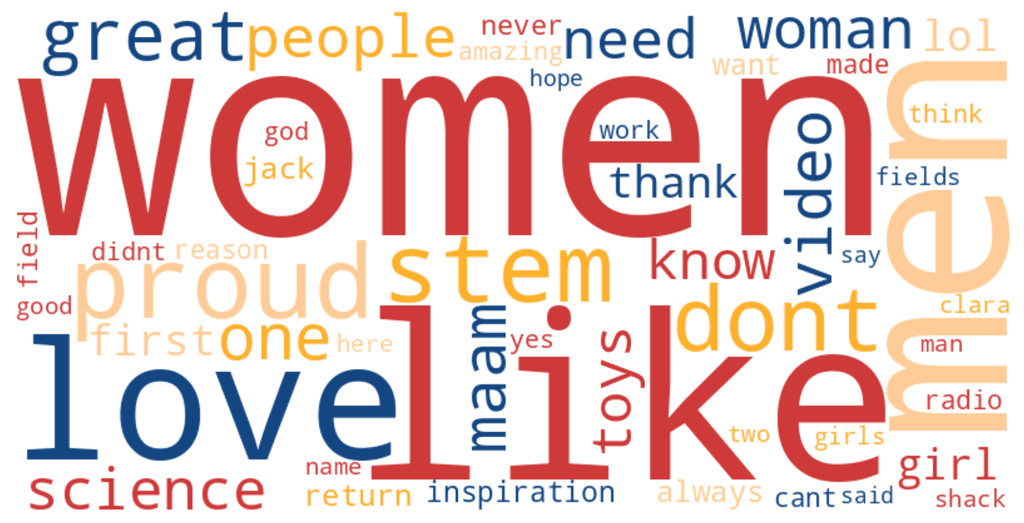
We utilized Octoparse to scrape comments from the top 20 most popular YouTube intervention videos retrieved using the keyword “Women in STEM.” The collected data underwent a thorough cleaning process, during which blank lines, conjunctions, whitespace symbols, personal names, and other non-substantive tokens were removed. After preprocessing, a total of 587 valid comments were retained. Based on a frequency analysis, the top 50 most frequently occurring words were identified and visualized using a word cloud to highlight the dominant themes within the dataset.
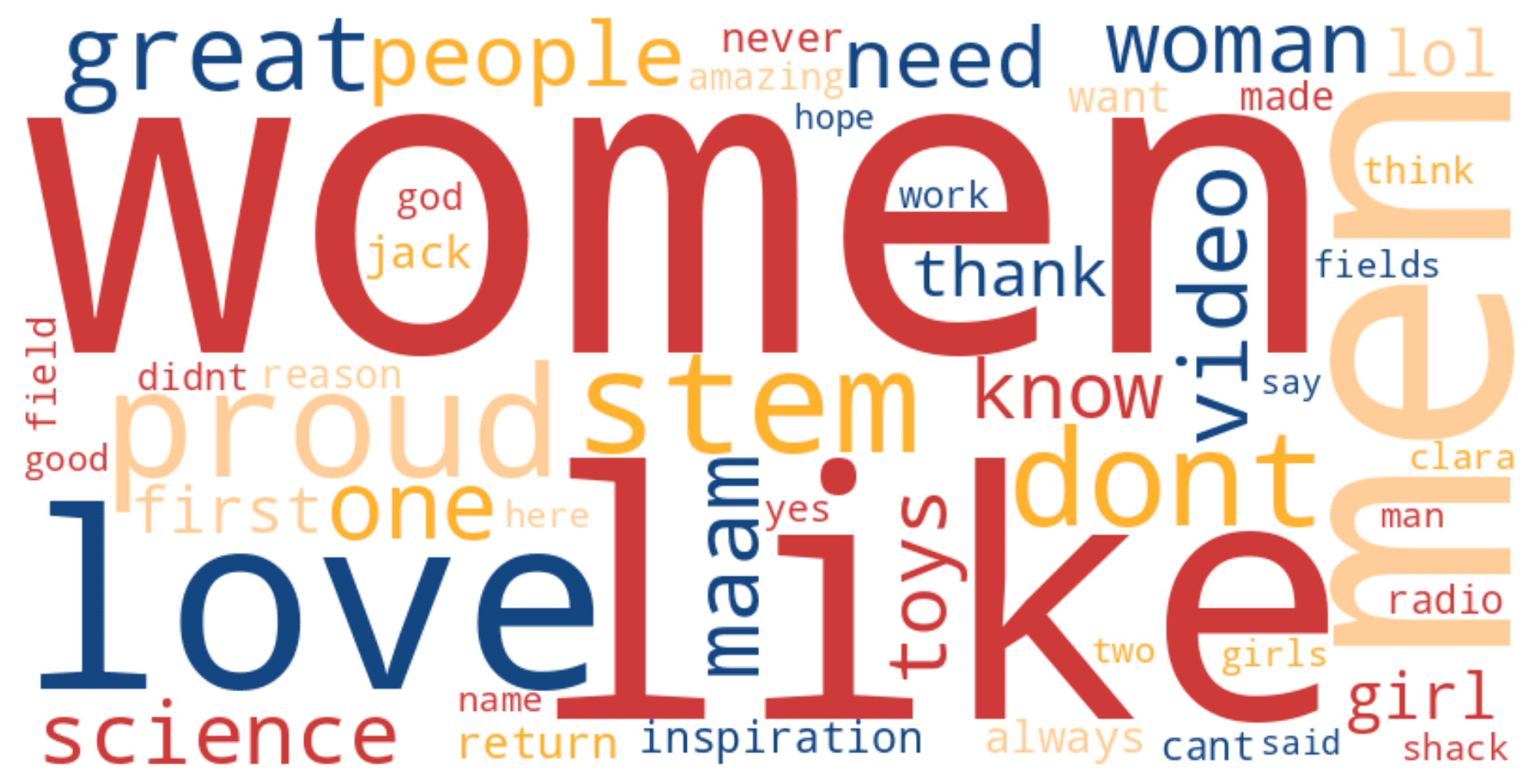
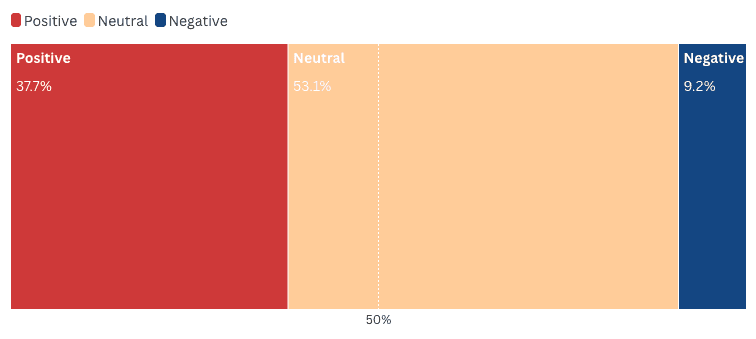
Figure5 Word Frequency Chart of Comments on the Top 20 Trending Intervention-related Videos
Figure6 Proportion of Sentiment Polarities in YouTube Comments
TextBlob is frequently used in research for sentiment analysis on social media platforms (Hazarika et al., 2020). To further investigate the emotional attitudes expressed in the comments, we employed the validated sentiment analysis model TextBlob, which considers both lexical features and contextual information to calculate a polarity score for each English-language comment. Based on these scores, comments were classified into three sentiment categories: positive, neutral, or negative. As illustrated in the figure, the majority of comments were categorized as neutral (53.1%), followed by positive comments (37.7%) (Figure 6), while negative comments accounted for the smallest proportion (9.2%). This suggests that, within the context of intervention videos under the “Women in STEM” topic, the overall tone of the comment section remains largely rational and supportive, with a relatively low presence of negative sentiment.
02 Evidence From Literature
Researches show that interventions have a positive impact on reducing gender bias in STEM fields, especially among STEM faculty (e.g. Jackson, Hillard and Schneider, 2014; Carnes et al., 2015). However, the usual intervention methods require a lot of time and resource spending on the preparatory work in advance, such as creating test materials and training test staff. Furthermore, these interventions require participants to attend long in-person meetings. Therefore, they may not be easy to implement on a large scale (Moss-Racusin et al., 2018). Moss-Racusin et al. (2018) has developed a new evidence-based intervention method for STEM gender bias intervention- Video Interventions for Diversity in STEM (VIDS). These videos depict the published research results on STEM gender bias. Unlike other intervention measures, VIDS can be flexibly, quickly and on a large scale spread across different institutions and communities, making it a more efficient intervention measure.
Emotions
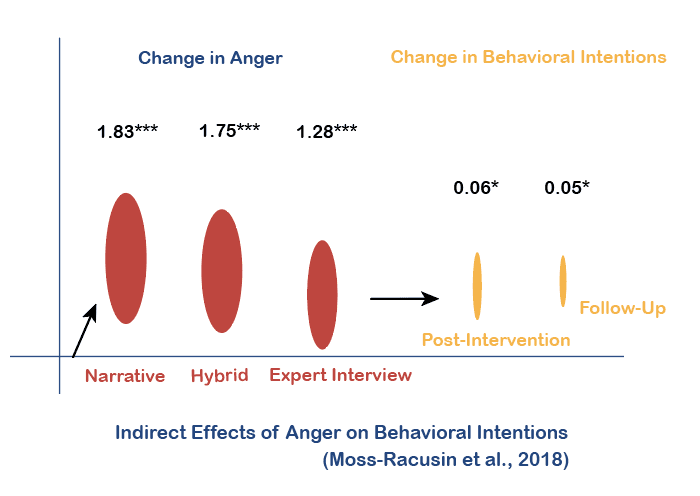
Moss-Racusin et al. (2018) conducted an empirical study demonstrated that three type of VIDS (narrative, expert interview, hybrid) all have a positive impact on intervening in gender bias in STEM fields. Specifically, it affects the subjects’ emotions of empathy and anger towards gender prejudice, and subsequently can influence their behavioral intentions, and it is persistent.
—— Effects on cognition and behavior.
Cognition and behavior
Moss-Racusin et al. (2018) conducted an empirical study demonstrated that three type of VIDS (narrative, expert interview, hybrid) all have a positive impact on intervening in gender bias in STEM fields. Specifically, it affects the subjects’ emotions of empathy and anger towards gender prejudice, and subsequently can influence their behavioral intentions, and it is persistent (Figure7-8).
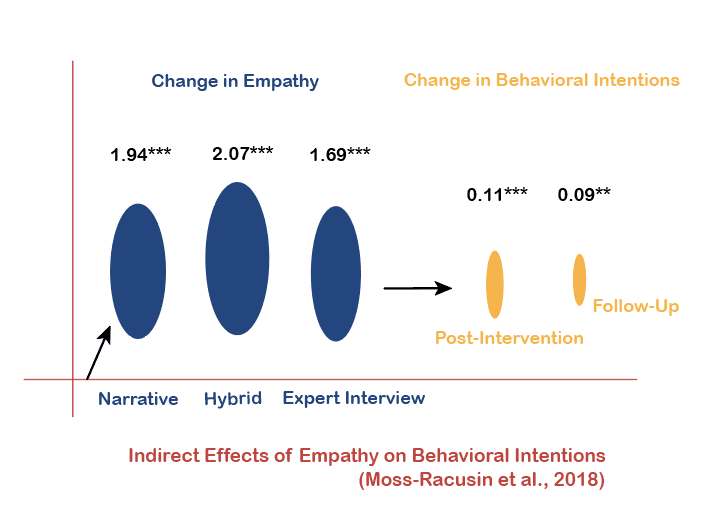
Figure7 Indirect Effects of Empathy on Behavioral Intentions
Figurex8 Indirect Effects of Empathy on Behavioral Intentions
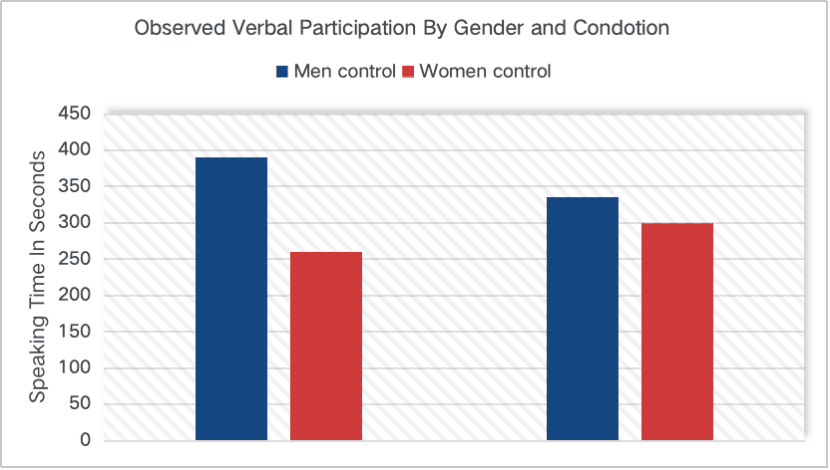
Figure9 Observed Verbal Participation By Gender and Condition
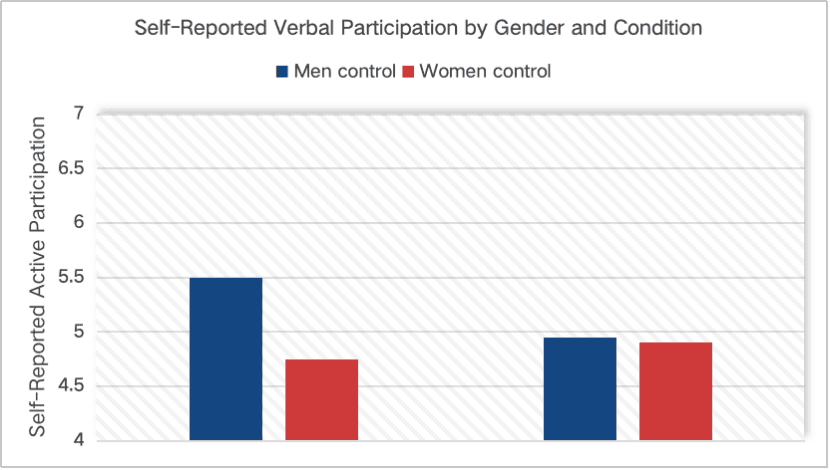
Figure10 Self-Reported Verbal Participation by Gender and Condiition
The research conducted by Lewis et al. (2019) demonstrated that among STEM students, under control conditions, men spoke longer than women in meetings, but after watching the intervention video, the speaking time of men and women was equal. This proves that video intervention methods can reduce gender bias in the STEM field, and in addition to changing the cognition of the participants, it also has a positive impact on their behavior (Figure 9).
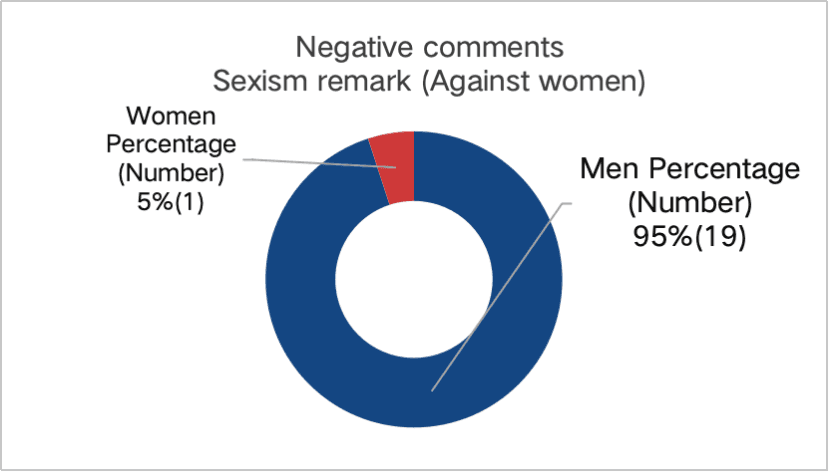
Meanwhile, Moss-Racusin et al. (2015) claims that men tend to make negative comments or deny evidence of bias after watching intervention videos (Figure11-12) .
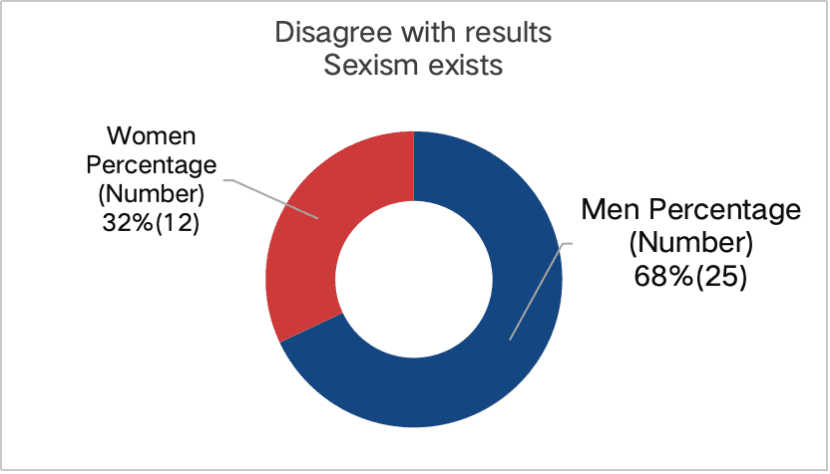
Figure11 Negative Comments Sexism Remark
Figure12 Disagree with Results Sexism Exists
03 Youtube Content Analysis
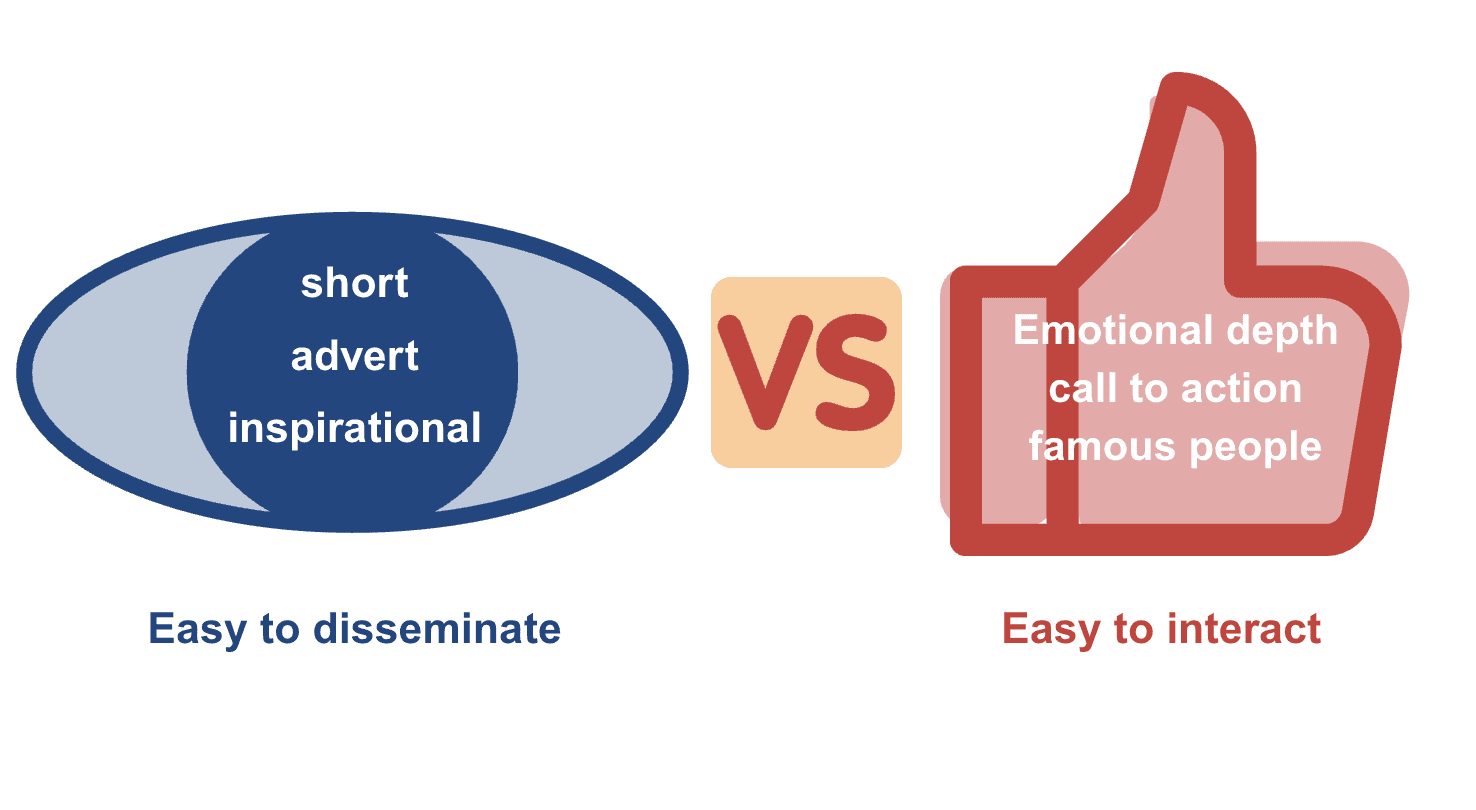
Differences Between High-View and High-Like Videos:
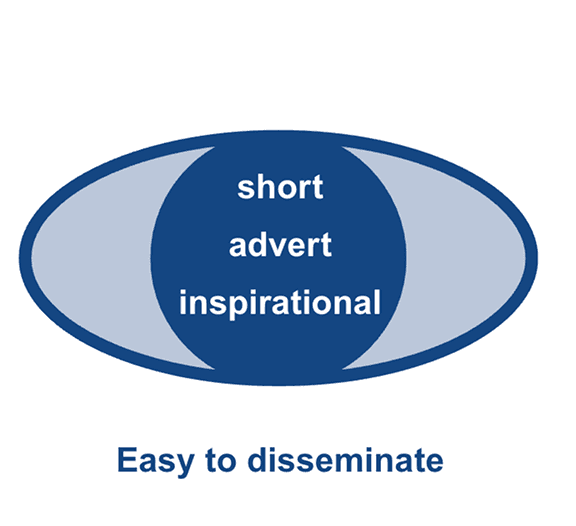
a. Videos with high view counts tend to be short in duration, motivational in tone, and promotional in nature, making them more easily shareable and widely disseminated.
b. In contrast, videos with high numbers of likes are more likely to feature emotional depth, strong calls to action, and appearances by well-known figures, thereby offering greater interactive and affective value to viewers.
Figure 13 The Difference Between Highly Viewed and Highly Liked Videos
Differences Between High-View and High-Like Videos:
Differences Between High-View and High-Like Videos:
Common Content Features of Popular Videos:
a. The majority of videos adopt a "narration + case study" narrative structure, which enhances clarity and audience engagement.
b. Female scientists are predominantly featured as protagonists, strengthening the identification with role models for female viewers.
c. The videos consistently incorporate messages that challenge gender stereotypes and promote the values of gender equality.
Video2: Explore the Common Content Features of Popular Videos
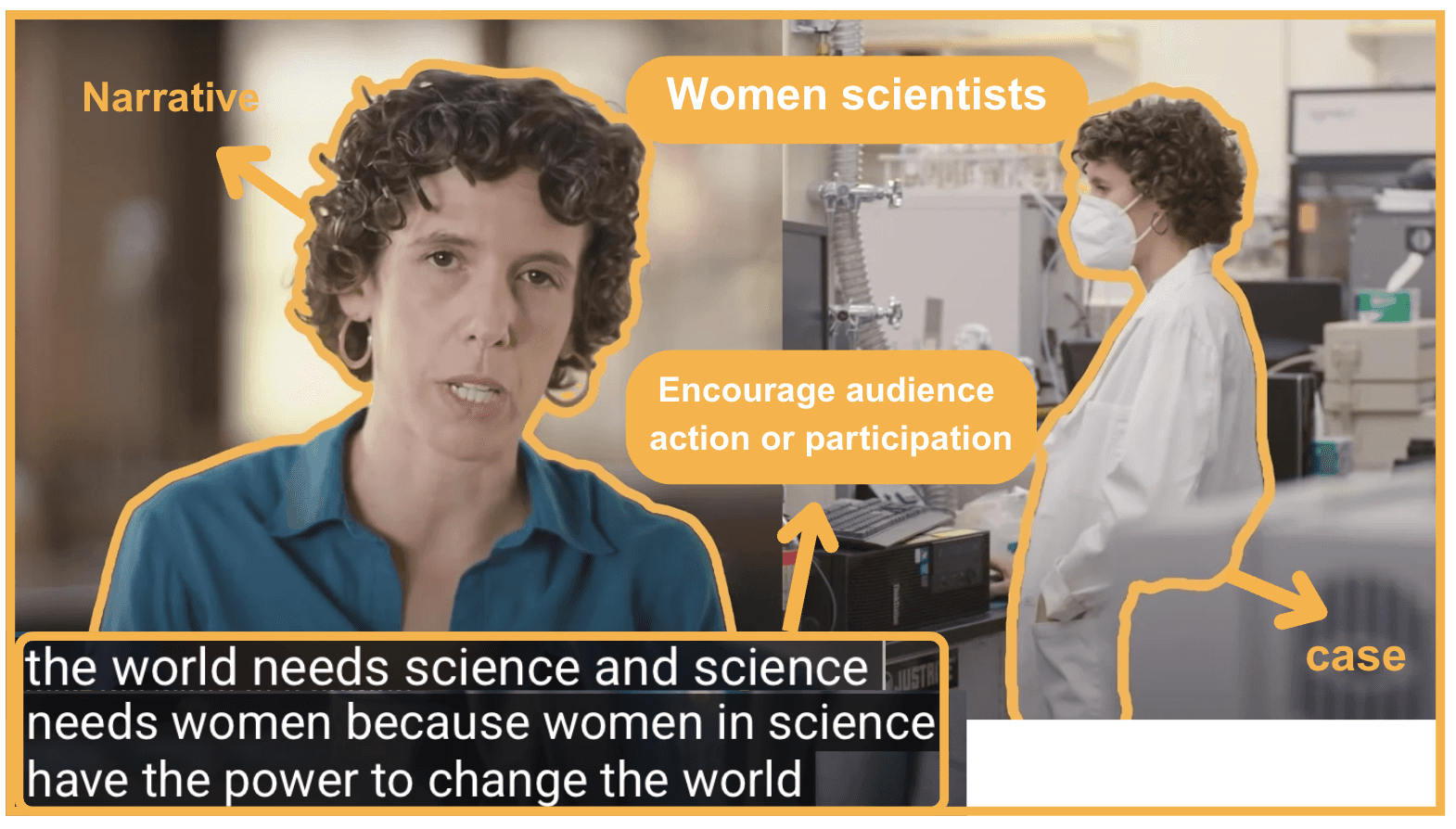
a. Intervention videos that simultaneously exhibit the following three features tend to perform particularly well in terms of both viewership and audience approval (likes):
i. A narrative structure combining storytelling and case-based examples;
ii. Female scientists positioned as central protagonists;
iii. A clear call for audience action or participation.
b. Such content is more likely to elicit emotional resonance and foster value identification among viewers.
Figure 14 The Difference Between Highly Viewed and Highly Liked Videos